5 June 2026,
Friday

5 June 2026,
Friday
High-risk pregnancy news. The efforts of the health department to reduce maternal and infant mortality rates in the district are proving to be merely on paper. With 42 pregnant women dying in 2 years, approximately 100 women are being registered in the high-risk category every month. The field staff are not reaching high-risk women in the tribal-dominated areas of Khaknar and Dhulkot, due to which regular check-ups and vaccinations are not being administered. Women are losing their lives primarily due to severe anaemia.
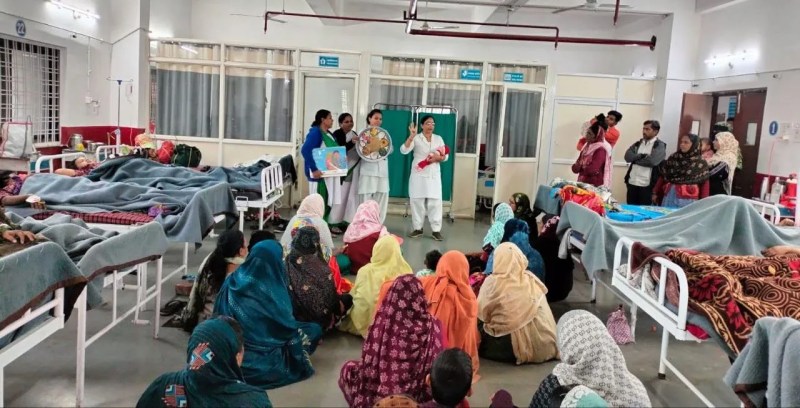
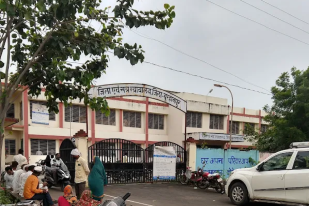
In the year 2023-24, 22 pregnant women died, and in 2024-25, 20 pregnant women died. The district hospital conducts check-ups for 30 pregnant women daily. To identify and treat high-risk pregnancies, camps are organised twice a month under the Pradhan Mantri Surakshit Matritva Abhiyan, and a separate room has been set up for doctors' monitoring during delivery. The health department has created 52 types of high-risk categories, and women falling into these categories are registered on the portal. Every month, about 100 such women from across the district are being registered who are in the high-risk category, suffering from anaemia, TB, HIV, and other serious illnesses.
Major cause of death: Negligence in check-ups
Among the pregnant women coming for check-ups from urban and rural areas, anaemia is prevalent. With only 5% blood in the body, it becomes necessary to transfuse blood in emergencies during pregnancy. Due to a lack of regular check-ups, anaemia is not being identified. This puts the lives of both the mother and the child at risk. This situation is termed high-risk. Women in the high-risk category require extensive care and constant medical supervision.
Blood levels as low as 5 grams in the body
Nursing Officer Seema David stated that the haemoglobin level in a woman's body should be above 11 grams at the time of delivery. However, women reaching the hospital for delivery have as little as 5 grams of blood, placing them in the high-risk category. Women from Khaknar, Dhulkot, and Nepanagar areas are found to have a higher incidence of anaemia. On several occasions, upon investigation or inquiry, it is found that vaccinations have not been administered and regular check-ups have not been done. Reports regarding this are being sent to the department officials.
Reasons for being high-risk
Gynaecologist Dr. Pratibha Bagran explained that short intervals between pregnancies, previous Caesarean deliveries, along with anaemia, diabetes, high blood pressure, and thyroid are the main reasons. Pregnancies in women under 18 years of age (adolescence) or over 35 years of age are also included in the high-risk category. During pregnancy, if one experiences headaches, dizziness, swelling in the hands, feet, and face, vaginal bleeding, or reduced foetal movement, medical check-ups should be sought.









No comments yet.
Be the first to comment.